

How Your Home’s Energy Label Can Save You Money in the Netherlands
Buying a home in the Netherlands can be complicated, but one factor is becoming more important than ever that is the energy label. Many internationals don’t realize that Dutch banks now consider a home’s energy efficiency when setting mortgage interest rates. This means an energy-efficient home can save you money every month, while also increasing your comfort and long-term property value. Sustainability is no longer just about the environment it’s also a smart financial choice.
What Are Energy Labels?
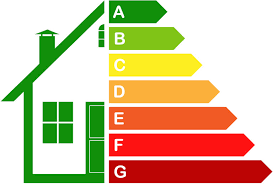
Every house in the Netherlands has an energy label, from A (very efficient) to G (less efficient). Since 2021, labels are calculated using a standardized method, making them a reliable indicator of energy performance. Originally used to estimate energy costs, labels now affect mortgage rates, borrowing options, and incentives for improvements. Banks view energy-efficient homes as lower risk because they usually cost less to run and maintain value better over time. A high-label home is attractive not only for you but also if you ever sell it.
Lower Interest Rates with a “Green Discount”
Since 2024, some Dutch banks offer a “green discount” for homes with top energy labels. If your house has an A, A+, or A++ label, you could get a lower mortgage interest rate, usually between 0.10% and 0.30%. On a €400,000 mortgage, a 0.20% discount could save around €80 per month enough to cover part of your energy bills. Homes with lower labels might not get a discount immediately, but banks often lower your rate after improvements and a new label. This shows that energy efficiency rewards both new buyers and those willing to invest in upgrades.
Improving Older Homes
You don’t need a top-label home to benefit. Older houses can be upgraded with solar panels, better insulation, heat pumps, or modern heating and ventilation systems. After these improvements, you can request a new energy label, and many banks adjust your mortgage rate often without refinancing the full loan. From my experience advising clients, even small upgrades can make a real difference in comfort, bills, and property value.
Extra Borrowing for Energy Projects
Some banks offer extra borrowing for sustainability projects. The amount varies by bank and situation. This money can cover insulation, solar panels, or a new heating system, often included in your mortgage. It makes energy improvements easier without needing large upfront savings.
Why This Matters
Many internationals focus on location, size, or price when buying a home. Ignoring energy efficiency can lead to higher bills, unexpected renovation costs, and lower resale value. Understanding energy labels helps you make smarter decisions and plan for long-term savings. Thinking about energy efficiency early protects both your finances and comfort for years to come.
Conclusion
Energy labels are now a key factor in Dutch mortgage applications. Choosing a sustainable home or improving your current one can give you lower interest rates, extra borrowing options, and long-term financial security. Being sustainable isn’t just good for the planet; it’s a smart financial decision. If you’re planning to buy a home in the Netherlands, consider energy labels early your future self and your wallet will thank you.
https://nibc.com/news/nibc-offers-interest-rate-discount-for-energy-efficient-homes
https://nibc.nl/particulieren/hypotheken/huis-verduurzamen/duurzaamheidskorting
https://www.abnamro.nl/en/personal/mortgages/sustainable-living/sustainability-discount.html
https://woninglabel.nl/labelnieuws/nibc-introduceert-duurzaamheidskorting-op-hypotheekrente
Reactie plaatsen
Reacties